Source Eco Friendly Leather Patch for Bags, Shoes, Hats
Compare 30 eco friendly leather patch options from Chinese suppliers. These customizable labels feature embossed or printed designs, suitable for garment, shoe, and bag applications. Options include real leather or PU materials with various color and shape choices; compare the available evidence and request quotations based on your requirements.
Key considerations
Products List




Comprehensive Sourcing Guide
Eco Friendly Leather Patch Sourcing Guide
Buyers seeking eco-friendly leather patches must first distinguish between genuine leather and synthetic alternatives, as the supply chain for each carries distinct environmental implications. The observed market data indicates that suppliers offer products labeled as "Real leather or PU," requiring immediate verification of the specific material composition to ensure alignment with sustainability goals. This distinction is critical because the term "eco-friendly" is often applied broadly to PU leather treated with low-impact dyes, whereas genuine leather sourcing involves complex tanning processes that may or may not meet strict environmental standards.
Procurement teams should prioritize suppliers who explicitly state their material origin and processing methods rather than relying on generic marketing claims. The available listings show a range of customization options, including custom colors and shapes, which can impact the environmental footprint of the final product. Buyers must request detailed material safety data sheets to confirm that the "Eco-Friendly" designation refers to specific attributes like water resistance or washability without the use of prohibited hazardous substances, ensuring the product meets both functional and ethical procurement criteria.
Product Scope and Observed Listing Signals
The current market for leather patches demonstrates a wide variance in product definitions, ranging from simple main labels to complex hang tags with specialized shapes. Listings indicate that these items are frequently used on garments, shoes, and bags, with specific applications extending to hats, toys, and blankets. This broad utility suggests that buyers should define their exact use case early, as the required durability and aesthetic finish will differ significantly between a patch for a heavy-duty work boot versus a decorative element on a soft toy.
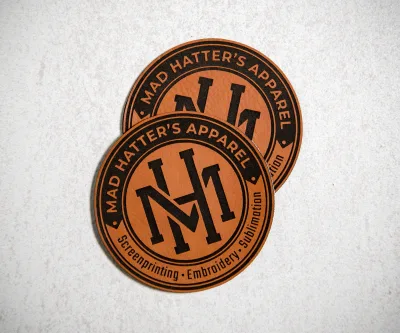
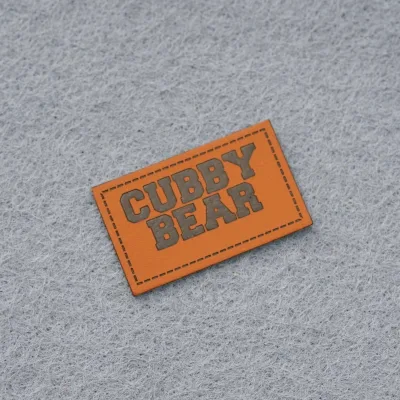
Observations of listing signals reveal that suppliers often provide "Custom Size" options with maximum dimensions up to 20cm or 12 inches, depending on the specific model. This flexibility allows for tailored branding but introduces complexity in cost estimation and logistics planning. Buyers must carefully review the "Fold type" and "Shape" specifications, as options like "Straight cut" or "Die Cut to Various Shapes" directly influence the manufacturing process and the final visual impact of the patch on the finished product.
Technical Specifications to Verify
Technical verification begins with confirming the physical dimensions and structural integrity of the patch, as specifications vary from single package sizes of 1x1x1 cm to larger custom dimensions. Buyers should explicitly request the maximum size limits for their specific order, noting that some models support sizes up to 20cm while others cap at 12 inches. This verification is essential for ensuring the patch fits the intended design without compromising the structural integrity of the garment or accessory it will adorn.
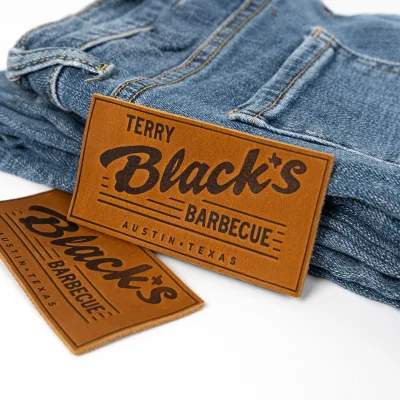
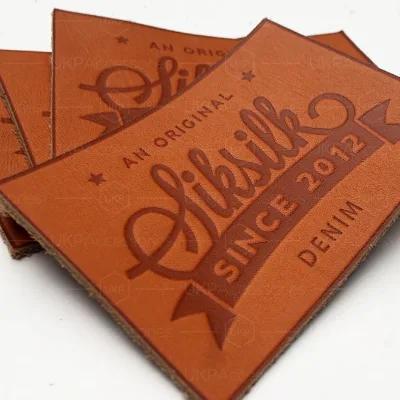
The manufacturing techniques and surface finishes are equally critical, with observed data highlighting "Embossed" and "Printed" patterns as common options. Buyers must verify that the chosen technique aligns with the desired aesthetic and durability requirements, as embossing may offer a more premium feel while printing allows for complex, multi-color designs. Additionally, the "Characteristic" of being washable and "Feature" of being waterproof should be confirmed through sample testing, as these properties are vital for products that will undergo regular cleaning or exposure to the elements.
Compliance and Safety Documentation
While the supply chain data mentions potential certifications like REACH, RoHS, and OEKO-TEX, these are listed as background information rather than confirmed attributes for every listed product. Buyers must treat these as verification targets rather than guaranteed standards, requesting specific test reports to confirm that the leather or PU material complies with the chemical restrictions of the target market. Relying on the general "Eco-Friendly" label without documentary proof can lead to non-compliance issues, particularly in regions with strict regulations on hazardous substances in textiles.
Safety documentation should also address the specific "Quality" claims made by suppliers, such as "High Qality," which requires objective validation through third-party testing. Buyers should insist on evidence that the product meets the "Real leather or PU" standard without containing banned azo dyes or heavy metals. This due diligence is necessary to protect the brand from liability and ensure that the "Eco-Friendly" claim is substantiated by rigorous safety data, rather than being a superficial marketing term used to differentiate products in a crowded marketplace.
Cost Drivers and Commercial Terms
Cost structures for leather patches are heavily influenced by the level of customization, with "Custom Color" and "Customized Logo" options typically commanding higher prices than standard stock items. The observed MOQ range of 50 to 10,000 pieces suggests that smaller orders may incur a higher unit cost, while larger volumes can significantly reduce the price per piece. Buyers must balance their budget constraints with the need for customization, understanding that complex shapes or special finishes like "Embossed" designs will increase the overall production cost.
Commercial terms also play a significant role in the total cost of ownership, with payment methods like TT, PayPal, and Trade Assurance offering varying levels of security. Lead times are another critical cost driver, as the availability of "7 days sample order lead time" support indicates a capacity for rapid prototyping, but bulk production may require longer scheduling. Buyers should negotiate clear terms regarding sample costs, noting that some suppliers offer free samples, and clarify how shipping methods like DHL, UPS, or FedEx impact the final landed cost of the goods.
Supplier Qualification and Quality Control
Supplier qualification requires a thorough assessment of their production capabilities, particularly regarding their ability to handle "OEM design acceptable" requests and maintain consistency across large batches. The observed data points to origins in Shanghai and Guangzhou, which are major manufacturing hubs, but buyers must verify the specific factory's capacity to meet their quality standards. This includes checking if the supplier has the necessary equipment for "Die Cut to Various Shapes" and if they can consistently reproduce the "Embossed" or "Printed" patterns required for the brand.
Quality control protocols must be established before mass production begins, focusing on the verification of material authenticity and finish durability. Buyers should implement a sampling strategy that tests the "Washable" and "Waterproof" claims under realistic conditions to ensure the product performs as expected. It is also essential to verify the "Single gross weight" and packaging specifications, as these factors affect shipping efficiency and the risk of damage during transit, ensuring that the final product arrives in perfect condition.
Long-Term Procurement Checks
Establishing a long-term partnership requires regular audits of the supplier's ability to maintain consistent quality and adhere to evolving environmental standards. Buyers should schedule periodic reviews of the "Real leather or PU" sourcing to ensure that the supply chain remains transparent and compliant with international regulations. This proactive approach helps mitigate the risk of supply disruptions and ensures that the "Eco-Friendly" status of the product is maintained over time, protecting the brand's reputation in the market.
Continuous monitoring of commercial terms and performance metrics is also vital for sustaining a successful procurement relationship. Buyers should track lead times, defect rates, and responsiveness to design changes to identify any areas for improvement. By maintaining open communication and setting clear expectations for future orders, buyers can ensure that the supplier continues to deliver high-quality leather patches that meet their specific needs while adapting to new market demands and regulatory requirements.
FAQs
What materials are used for eco friendly leather patches?
These patches are crafted from real leather or PU leather to ensure durability and an eco-friendly profile. The material selection supports sustainable sourcing practices while maintaining the aesthetic appeal required for high-quality garment and bag applications. This flexibility allows buyers to choose the best fit for their brand identity.
Can I get a free sample for eco friendly leather patches?
Yes, free samples are available for most eco friendly leather patch orders. This allows buyers to verify the quality, embossed details, and custom logo accuracy before committing to bulk production. The sample order typically supports a quick turnaround, enabling efficient decision-making for your specific customization needs.
What is the minimum order quantity for eco friendly leather patches?
The minimum order quantity varies, typically starting at 50 pieces for certain designs and up to 500 pieces for others. This range accommodates both small batch testing and larger production runs. Buyers should confirm the specific MOQ with the supplier based on the chosen model number and customization complexity.
How long does it take to produce eco friendly leather patches?
Sample orders generally require a lead time of 7 days to ensure quality checks and custom printing are completed accurately. Bulk production times depend on the order volume and specific design requirements. Buyers should plan their procurement schedule accordingly to align with shipping methods like DHL or FedEx for timely delivery.
What customization options are available for eco friendly leather patches?
Buyers can customize the logo, color, shape, and size of eco friendly leather patches to match their brand. OEM designs are accepted, allowing for unique die-cut shapes and specific embossed or printed patterns. The patches can be tailored to fit various applications, including hats, shoes, and bags, with flexible sizing options.
Where are eco friendly leather patches manufactured?
These patches are manufactured in key industrial hubs such as Shanghai and Guangzhou in China. These locations offer robust supply chains for leather goods and efficient logistics for global shipping. Buyers can expect reliable production capabilities and access to a wide range of material options from these established manufacturing centers.